The Church of Jesus Christ of Latter-Day Saints is also referred to as the Mormon Church – has a complex history of race relations. This article aims to provide an accurate and impartial examination of the history of treatment for Black members of the Mormon Church and to discuss the policies and restrictions enforced and how the Church has evolved to disavow old beliefs and practices that are related to racism.
Blacks and Mormonism A Historical Overview
Between 1852-1978 in the period of 1852-1978, Mormon Church had a policy which prohibited blacks from ordination to the priesthood. The decision was based on the interpretations of scripture during the time as well as attitudes towards race of the time. Black people were denied certain rites and responsibilities within the Church, resulting in being a minority within the Mormon community. The discrimination wasn’t limited to Mormonism. It reflected the widespread prejudices based on race in American society at the time.
Mormon Black People and 1978 Revelation
The year 1978 marked an important turning point in the Mormonism’s history. Spencer W. Kimball was the president of the Church at the time and had what Mormons believed to be a “divine revelation” regarding the exclusion of blacks from the priesthood. The revelation, considered to be a pivotal moment, lifted the ban which had been in effect for over a century. The Church of Jesus Christ of Latter-Day Saints affirmed that Black people could now be granted the priesthood and be fully involved in the activities of the Church.
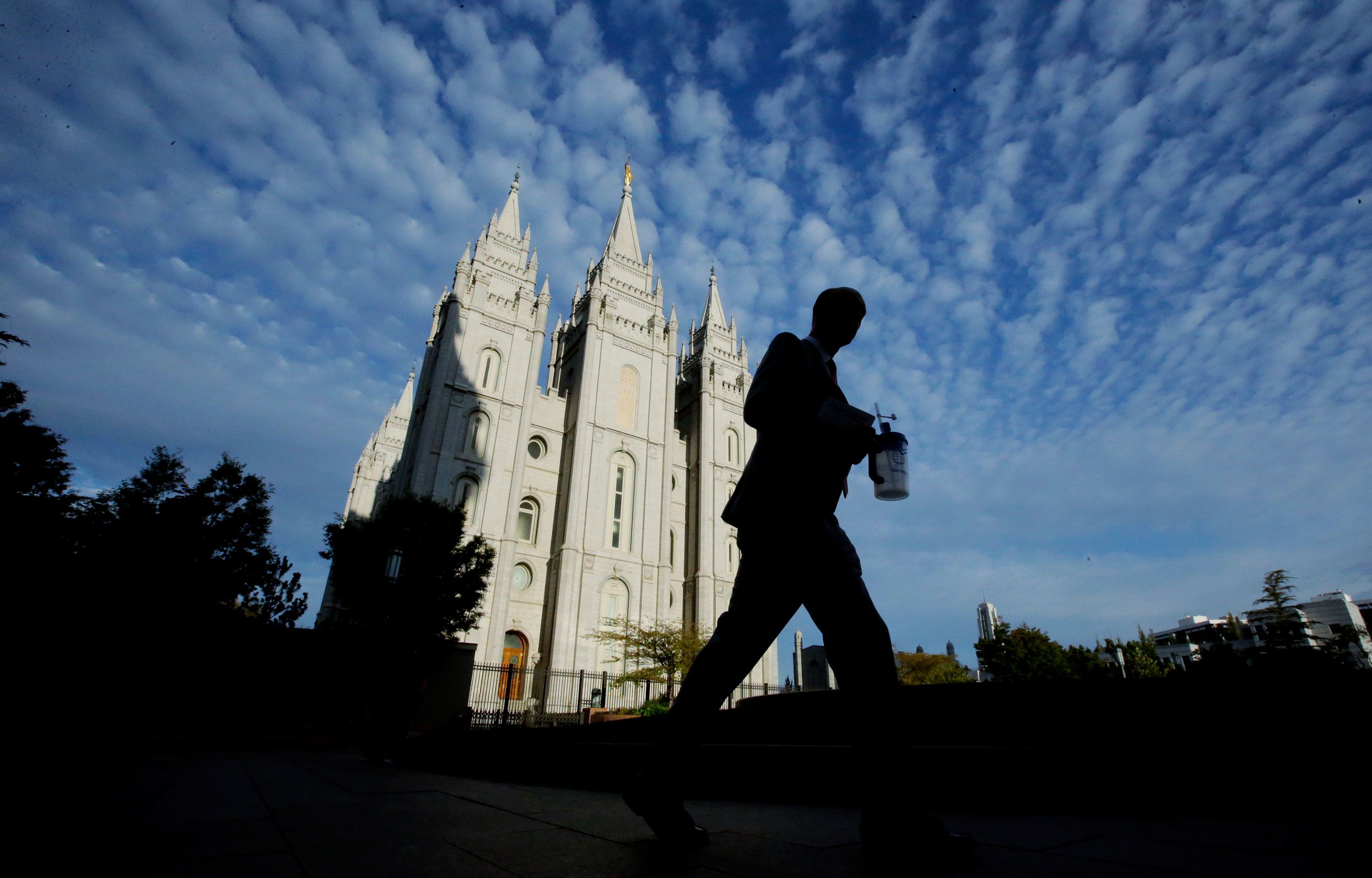
Today, the Church rejects discrimination based on race, and welcomes anyone, no matter their race, to accept Jesus Christ. The doctrine affirms equality for all and stresses that God will accept anyone regardless of race, gender or social status. For more information, click Mormons and Black People
Joseph Smith’s Fair Treatment of Black Individuals
Joseph Smith, the founder of the Mormon Church, treated Black people with respect despite the prejudices that were prevalent at the time. Joseph Smith may have ordained Black men to the Priesthood in his lifetime, as per the historical records. This practice was in line with Smith’s teachings on equality and inclusion within the Church. However, the next leadership had policies in place that prohibited Priests of African descent from becoming priests, reflecting changing attitudes towards race towards the mid-19th century.
Racism Resolving it and moving towards a united front
The Church of Jesus Christ of Latter-Day Saints is taking important steps in modern times to fight racism and encourage unity within its members. The Church’s leadership has issued statements that denounce old racial prejudices and practices. They emphasize that racism regardless of form is against the teachings and core doctrines the Church.
The Church actively promotes the values of love, acceptance and respect among its diverse members, recognizing their importance and worth. It is a priority to teach members on the importance of inclusivity, cultural sensitivity, and to reject the discriminatory beliefs.
The article’s conclusion is:
Knowing the Church of Jesus Christ of Latter-Day Saintsand its evolution in dealing with racial differences and the history of Blacks within Mormonism is crucial to promoting the unity and equality. The policy that prohibited Blacks from priesthood ordination for more than 100 years marks a difficult section of the Church’s history. However, the subsequent revelation in 1978 marked the turning point and signaled a commitment to inclusivity and equality.
The current position taken by the Mormon Church opposes racism and promotes equality. The Church also promotes love and acceptance for all of its members. Through confronting its historical prejudices regarding race and taking steps toward progress, the Church is actively moving forward in a direction of harmony and understanding and ensuring that every member feels valued and respected in the Mormon community.